
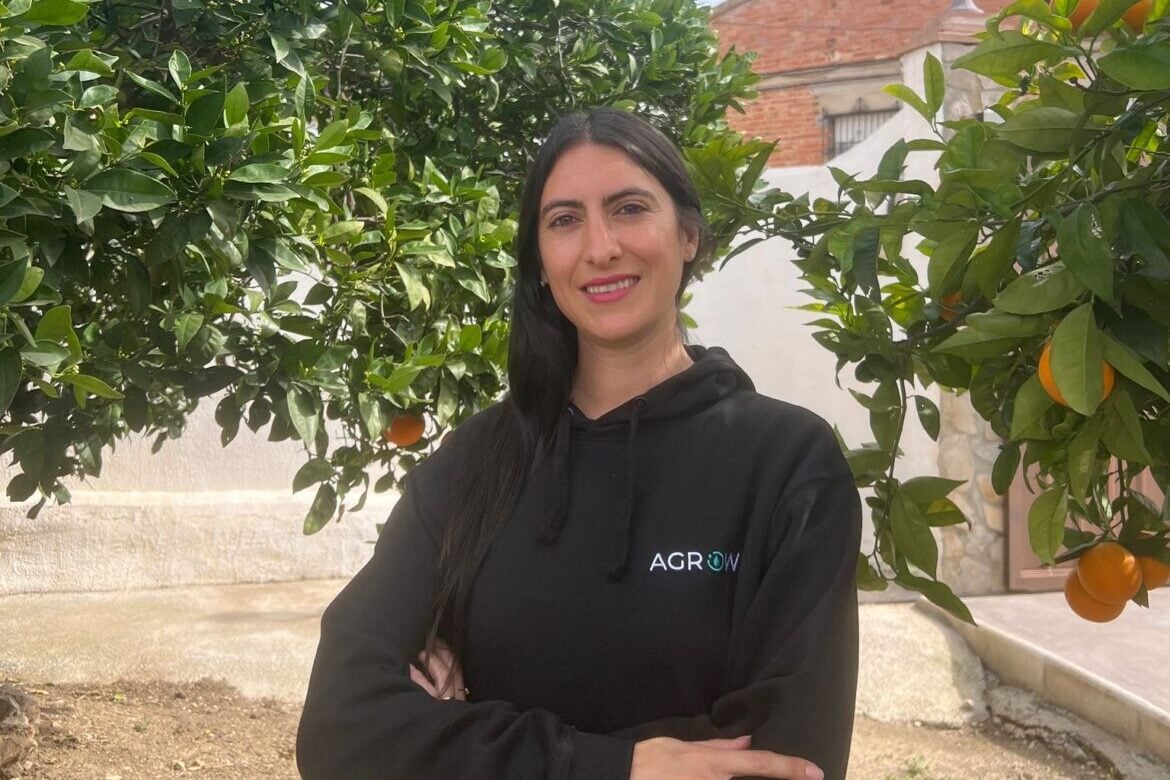
The Center for Data Innovation recently spoke with Antonella Maggioni, CEO of Agrow Analytics, a Spain‑based company using an AI‑powered platform that integrates satellite data, field sensors, and computer vision to monitor and manage agricultural water use. Magginoi explained how the company analyzes farm‑level data to deliver irrigation recommendations, track crop conditions, and measure verified water savings across operations.
David Kertai: What solutions does Agrow Analytics offer?
Antonella Maggioni: Across the agriculture industry, companies face growing pressure to understand and reduce their water footprint as water scarcity, climate variability, and regulatory demands intensify. In many regions, droughts are becoming more frequent, rainfall is less predictable, and groundwater levels are declining, yet organizations often lack visibility into water use across their supply chains. Farmers may still rely on fixed irrigation schedules or limited field data, making it hard to know when crops truly need water. Without clear insight or reliable tools, it becomes difficult for both companies and farmers to take credible, measurable action to improve water use.
Agrow Analytics addresses these challenges through a combined platform‑and‑services model that delivers practical water‑replenishment projects and data‑driven irrigation improvements. We help farmers adopt practices such as watering at optimal times to reduce evaporation, choosing crops that improve soil moisture retention, and adjusting fertilizer use to limit runoff. Using standardized measurement methods, we verify water savings by comparing expected water use without interventions to actual use after improvements.
Our AI‑powered platform supports this work by integrating satellite imagery and in‑field sensor data to measure, reduce, and help replenish a company’s water footprint. The platform also includes an AI assistant that helps users interpret data, generate reports, and make informed decisions throughout the growing season. Built‑in computer‑vision capabilities add a detailed, ground‑level view of crop conditions by analyzing field images, complementing satellite insights and improving the detection of water‑management issues. Together, these components give organizations and farmers a clear, real‑time understanding of their water use and the ability to take measurable, credible steps to improve it.
Kertai: What types of data does your platform analyze to generate insights?
Maggioni: We analyze satellite imagery to measure crop health using indicators that show how green and active plants are, and to detect irrigated areas and early signs of stress. We also use models that estimate how much water crops need based on local climate conditions, including how much water plants lose through evaporation and use.
The system integrates in-field data from soil-moisture sensors, weather stations, and water-flow meters, along with farmer-reported information such as planting dates, crop types, and irrigation history. It also incorporates broader data like river and basin conditions and water‑risk indicators, including measures of water stress, such as how often a region faces shortages, how quickly local demand is rising, and how strained its water sources are during dry periods. By combining these inputs, our AI-powered platform is able to build a clear baseline for each farm and detect changes, helping users identify when and where water use can be improved.
Kertai: How does your AI-powered platform help farmers and agricultural businesses?
Maggioni: The platform brings all project data into a single, easy-to-use dashboard that works on any device. It provides season-long irrigation recommendations tailored to each field based on crop type, growth stage, and real-time soil and weather conditions. For example, a farmer might receive a recommendation on when to irrigate and how much water to apply to avoid overwatering. Farmers also receive mobile alerts, including through apps such as WhatsApp, that flag upcoming weather changes or conditions that may require action.
The platform also offers tools to monitor crop growth stages, review satellite data, and track water savings through reports that show how much water has been saved and the associated cost impact. It also uses computer vision from field cameras to monitor crop conditions in more detail. Our AI assistant helps users interpret data, answer crop‑related questions, and streamline reporting by preparing the summaries, water‑savings results, and project updates that companies share with their sustainability teams, partners, and stakeholders.
Kertai: How does your computer-vision system assess crop health?
Maggioni: Our computer-vision system, Agrow Vision, analyzes images captured directly in the field to provide a detailed, ground-level view of crop conditions. By examining high-resolution photos, the system detects visible signs of crop stress, irrigation issues, and plant-health problems. For example, it can identify changes in color, growth patterns, or leaf condition that signal water stress or uneven irrigation. It can also detect visual indicators linked to root health, even though the roots themselves are not directly visible.
Farmers can take photos using simple field protocols, or fixed cameras can continuously monitor crops. The system processes these images and generates clear assessments that support day-to-day water-management decisions. This ground-level insight complements satellite and sensor data, creating a more complete and timely picture of field conditions.
Kertai: Can you share any examples of your platform in use?
Maggioni: In Spain’s Ebro River Basin, one of Europe’s most heavily irrigated regions, we partnered with Amazon Web Services to modernize local agriculture and support farmers in adopting more efficient practices. Using our technology, farmers shifted from fixed irrigation schedules to demand-based watering, applying water only when crops could retain the most. Satellite monitoring helped detect early signs of stress and disease, allowing farmers to act sooner and reduce both costs and environmental impact.
This 10-year project aims to save 2 million cubic meters of water. In its first year alone, it achieved more than 240,000 cubic meters of verified savings across 570 hectares, benefiting over 400 people. Beyond these results, the project supports long-term change through hands-on training and workshops that help farmers adopt more sustainable, data-driven practices and adapt to a changing climate.


