
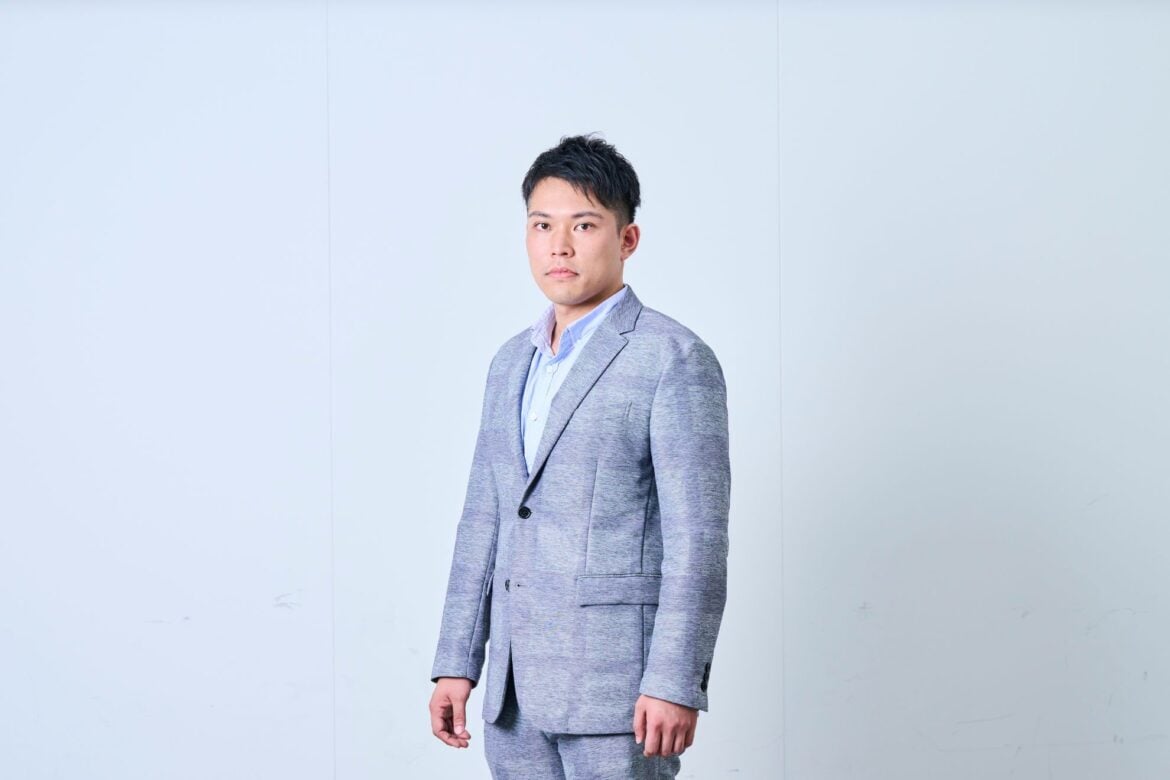
The Center for Data Innovation recently spoke with Daikichi Seki, CEO of aiESG, a Japan-based company developing an AI-powered platform that maps companies’ supply chains to analyze their sustainability performance. Seki explained how the platform combines corporate data, global economic datasets, and AI-driven analysis to uncover hidden supply-chain risks and turn complex sustainability information into practical business insights.
David Kertai: What does aiESG do?
Daikichi Seki: Companies face growing pressure from regulators, investors, and customers to show how they manage environmental, social, and governance risks, often called ESG. But supply chains are complex, reporting standards vary, and many organizations struggle to connect sustainability efforts to business outcomes.
To address this, we offer an AI‑powered platform that brings together corporate data, economic datasets, and decision‑support tools in one place. Through dashboards and risk assessments, users can see where supply‑chain risks may arise across their broader operations, including impacts that occur through suppliers and partners outside their direct control. The platform connects fragmented supply‑chain and ESG data, identifies hidden patterns, and shows how sustainability issues could affect financial performance or the quality of corporate disclosures. Together, these features give companies a straightforward way to understand complex supply chain sustainability information and turn it into concrete actions.
Kertai: What kind of data does your platform use?
Seki: We combine several kinds of data to build a fuller picture of a company’s ESG performance. This includes company information like procurement data and sourcing locations, such as which farms grow the tea leaves, which mills process the fibers, or which factories assemble the finished goods, along with global economic data that helps map how industries and countries connect through supply chains.
We also use our own ESG datasets, supported by information from international organizations, NGOs, satellite data, and corporate reports, such as deforestation alerts, water‑stress indicators, or documented labor‑rights violations. Our framework tracks thousands of environmental, social, and governance indicators across more than 100 countries. Bringing these sources together allows us to identify supply-chain risks and impacts that companies often cannot see on their own.
Kertai: How do you analyze a company’s supply chain?
Seki: We start with a company’s purchasing and cost data and use our AI platform to map not only its direct suppliers but also the suppliers behind them. This matters because many environmental and labor risks occur several steps up the chain, well beyond the vendors companies typically track.
We then combine this with global data that shows how different industries buy from and sell to one another. Using these relationships, we can rebuild missing parts of the supply chain and pinpoint where risks are likely to cluster, even when a company has limited visibility. The result is a practical way to give companies insight into risks they would struggle to trace manually.
Kertai: What insights do your users gain about their supply chains?
Seki: The platform helps companies prioritize action. For example, it can show which suppliers or sourcing regions carry the greatest environmental or human‑rights risks, such as a palm‑oil processor linked to deforestation, so companies can focus audits and engagement where it matters most. Users also apply these insights to strategic planning and reporting. Financial institutions use the analysis to understand risk exposure across their portfolios, while companies use our dashboards and visualizations in sustainability disclosures, including emerging nature‑risk reporting frameworks such as the Taskforce on Nature‑related Financial Disclosures.
Kertai: Could you share any examples of how your platform is used?
Seki: Several organizations have already applied our platform in meaningful ways. One of Japan’s largest agricultural and institutional investors, Norinchukin Bank, uses our supply‑chain analysis to identify nature‑related risks in its investment portfolio. Through this work, the bank found that sectors like packaged foods and meat were connected to upstream water‑use risks in the U.S. oilseed industry.
A leading Japanese real‑estate developer, Tokyu Land Corporation, used our analysis to measure the social value created by the Southern Tosu Cross Park project in Saga province. By quantifying contributions to human and natural capital, the company estimated that the project could increase the region’s long-term value by roughly $100 billion.
A major tea‑producing region in Fukuoka province, Yame City, partnered with us to evaluate the ESG profile of its tea industry. By comparing Yame Tea with Chinese competitors, we showed that Yame Tea’s supply chain carries far lower environmental and human‑rights risks, helping the city highlight strengths beyond tradition and taste and design targeted support measures for sustainable production.


